GLP-1 education
Natural GLP-1 Support: What the Science Actually Says
GLP-1 is a real hormone, and prescription GLP-1 drugs are real medications. "Natural GLP-1 support" marketing is usually something else entirely — here's how to tell the difference.
What GLP-1 actually is
GLP-1 (glucagon-like peptide-1) is a hormone your gut releases naturally after eating. It signals your pancreas to release insulin, slows stomach emptying, and sends fullness signals to your brain. It's a normal part of digestion and appetite regulation in everyone, not something you either have or don't.
How prescription GLP-1 medications work
Drugs like semaglutide (marketed as Ozempic and Wegovy) and tirzepatide (Mounjaro, Zepbound) are prescription medications that mimic or amplify GLP-1's effects at doses far beyond what your body produces naturally. They require a prescription, medical supervision, and have documented side effects and contraindications. Their effects on weight and blood sugar are backed by large clinical trials.
What "natural GLP-1 support" marketing usually means
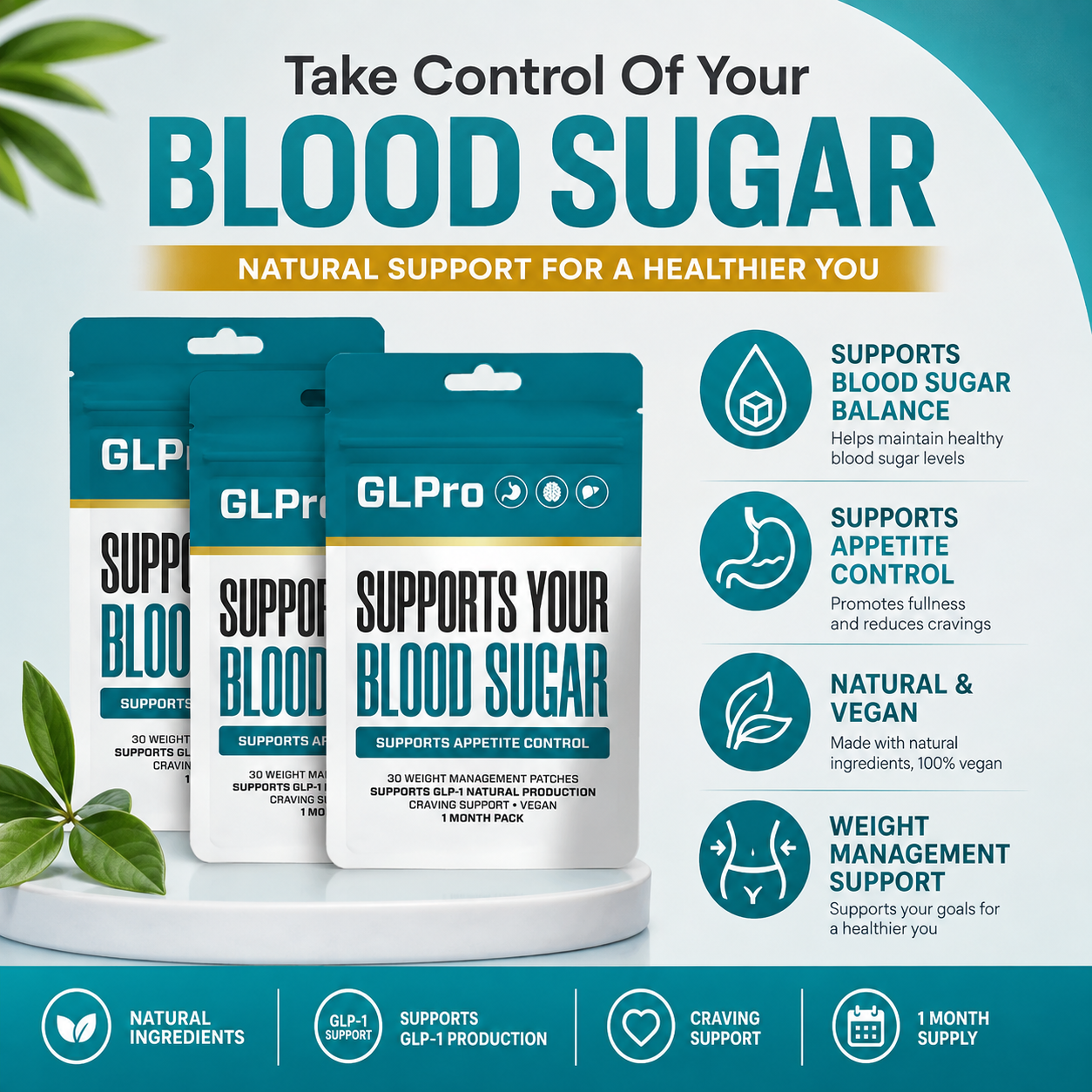
You'll see wellness products — patches, capsules, teas — marketed as supporting "natural GLP-1 production." In practice, this typically means the product contains ingredients that might have some general, modest influence on digestion, blood sugar, or fullness — not that they meaningfully replicate what a prescription GLP-1 medication does. This is an important distinction, and marketing that blurs it is worth reading skeptically.
GLPro Patch™ is one such wellness product. To be direct: it does not contain semaglutide, tirzepatide, or any prescription drug, and we have not seen data showing it produces GLP-1-medication-level effects. Any "GLP-1 support" language in its marketing should be read as a general wellness claim, not a comparison to prescription treatment.
Questions worth asking about any "natural GLP-1" product
- Is there published, product-specific data — not just general research on an ingredient — supporting the claim?
- Does the marketing imply results comparable to a prescription medication? If so, that's a red flag.
- Is the manufacturer clear that this isn't a substitute for prescribed treatment?
The bottom line
If you're considering a prescription GLP-1 medication for a diagnosed condition, that conversation belongs with a doctor. If you're looking at a wellness product marketed around "natural GLP-1 support," treat it as a general wellness supplement with a trendy name attached — not an alternative to medical treatment.
This article provides general, educational information. It does not describe clinical results for GLPro Patch™ specifically, and it isn't medical advice. Talk with a healthcare professional about your individual situation, especially if you manage a condition like diabetes or take related medication.